


Marta Bilalova
Marta Bilalova (1st of March 1941, Vitebsk Oblast, Belorussian SSR – 7th of May 1980, Riga, Latvian SSR) – a ballet dancer.
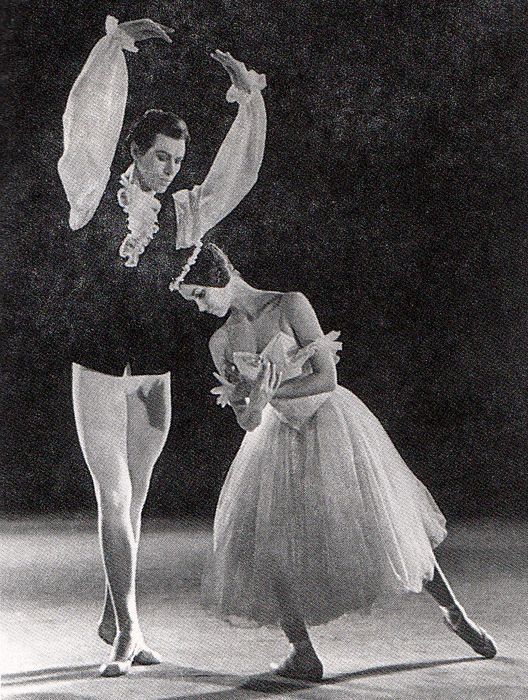
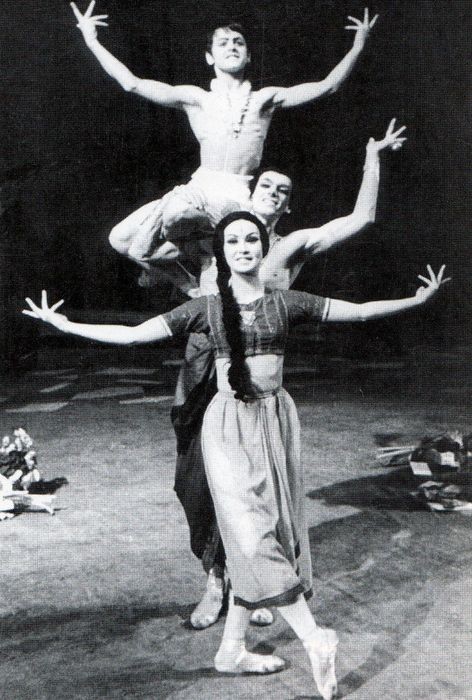
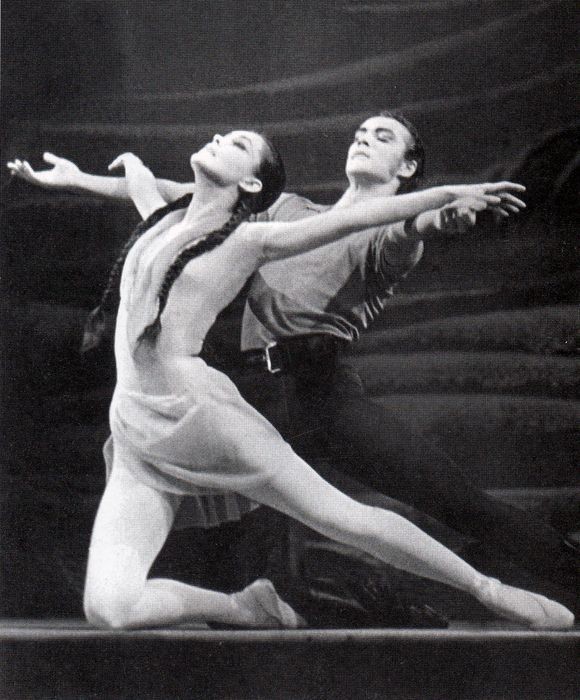
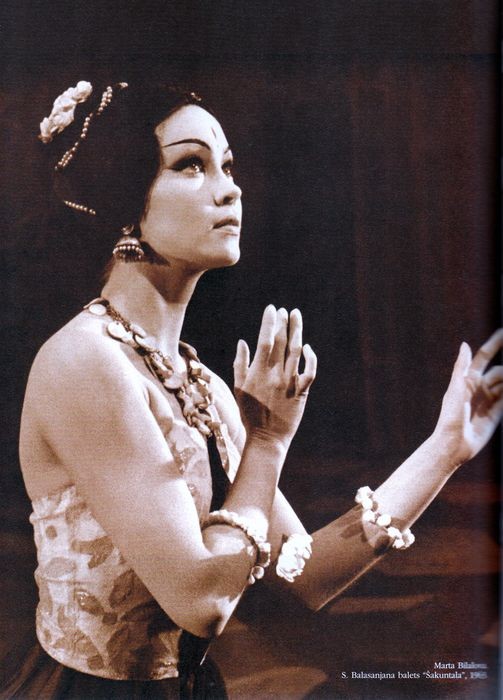
In 1960, Marta Bilalova graduated with distinction from the Riga Choreography School (RCS; since 2020 – the Riga Ballet School). She studied under outstanding ballet teachers Valentin Blinov and Marina Sizova. Even during her studies, her teachers noted her remarkable talent, exceptional determination, and outstanding diligence. As a result, while still a sixth-year student at the RCS, Marta Bilalova was granted permission to take part in touring performances of the ballet company of the State Academic Opera and Ballet Theatre of the Latvian SSR in Russia, where she danced in the corps de ballet alongside professional adult performers. After graduating from the RCS, Marta Bilalova was invited to join the ballet company of the State Academic Opera and Ballet Theatre of the Latvian SSR (now the Latvian National Opera), where from 1960 to 1980 she had been one of the leading soloists. Marta Bilalova was a ballerina of a lyrical-romantic, poetic character. She possessed an extensive repertoire. Her stage partner was the outstanding Latvian ballet dancer Arturs Ēķis (1933–2011). This popular ballet duo frequently toured abroad, including in 1966 to India and Burma (now Myanmar); in 1967 to Damascus and other cities in Syria; and in 1968 to Cyprus (Nicosia). Among the most notable roles of M. Bilalova were the title role in Shakuntala by Sergey Balasanyan, which received particular praise from the composer, as well as the Sun Maiden in Oleg Barskov’s ballet The Gold of the Incas—a production described as “large-scale, emotionally powerful, and plastically expressive,” and highly popular with audiences. Roles and ballet parts performed by Marta Bilalova: Waltz, Prelude, Mazurka (Chopiniana, a one-act ballet to music by Frédéric Chopin, 1960); Queen of the Dryads (Don Quixote by Ludwig Minkus, 1960); Amethyst (ballet production Precious Stones, to music from a symphonic suite by Jāzeps Vītols, 1961); Girl (Symphonic Dances, to music by Sergei Rachmaninoff, 1961); Francesca da Rimini (one-act ballet Francesca da Rimini, to music from the symphonic poem by Pyotr Tchaikovsky, 1961); Winter (Cinderella by Sergei Prokofiev, 1961); Lilac Fairy (The Sleeping Beauty by P. Tchaikovsky, 1962); Pop’s Daughter (The Tale of the Priest and His Worker Balda by Mikhail Chulaki, 1962); Field Fairy (Forest Song by Mykhailo Skorulsky, 1963); Blue Color (The Rainbow by Ringolds Ore, 1963); Shakuntala (Shakuntala by Sergey Balasanyan, 1963); Phrygia (Spartacus by Aram Khachaturian, 1964); Lily, Sundew (Garland of Flowers, to music from a symphonic suite by Pēteris Barisons, 1965); Nikiya (the “Kingdom of the Shades” scene from La Bayadère by L. Minkus, 1965); Solveig (Peer Gynt, to music by Edvard Grieg, 1966); Myrtha (Giselle by Adolphe Charles Adam, 1967); Odette–Odile, Pas de trois (Swan Lake by P. Tchaikovsky, 1968); Zeltīte (children’s ballet Sprīdītis by Arvīds Žilinskis, 1968); Sun Maiden (The Gold of the Incas by Oleg Barskov, 1969); Asel (Asel by Vladimir Vlasov, 1969); Tulip (The Triumph of Love by Jānis Mediņš, 1970); Terpsichore (Notre-Dame de Paris, to music by Cesare Pugni, Riccardo Drigo, and Rihards Glāzups, 1970); Medora (Le Corsaire by A. Adam, 1971); Blondalen (ballet-pantomime Scaramouche, to music by Jean Sibelius, 1971); Maria (The Fountain of Bakhchisarai by Boris Asafyev, 1972); Octavia (Antony and Cleopatra by Eduard Lazarev, 1973); Daugava (Staburadze by Alfrēds Kalniņš, 1976); Fox, Stork (children’s ballet Doctor Aybolit by Igor Morozov, 1977); Mother (The Prodigal Son by S. Prokofiev, 1978); Mother (one-act ballet Reading Blaumanis/Lasot Blaumani by Juris Karlsons, 1979), and others. Ballet critic and art historian Ija Bite-Krauliņa (1938–2007) characterized Marta Bilalova as follows: “A creator of lyrical-romantic images, possessing a slender figure and elongated lines. The hallmark of M. Bilalova’s dancing was poetry and majestic calm. Together with Arturs Ēķis, she formed a magnificent lyrical duet in many choreographic productions and miniatures: ‘Autumn Song’ by O. Barskov, ‘Consolation’ by F. Liszt.” Ballet soloist Marta Bilalova died prematurely on May 7, 1980, in Riga at the age of 39. She was buried at the Second Forest Cemetery in Riga. Honorary title: Honored Artist of the Latvian SSR (1969). Sources of information: Gadsimts vai viens mirklis? Latvijas Nacionālajam baletam 100. – Rīga: Latvijas Nacionālā opera un balets, 2022. Ija Bite. Latvijas balets. – Rīga: Pētergailis, 2002. Latvijas baleta un dejas enciklopēdija. Projekta vadītāja un autore Dr. paed. Gunta Bāliņa. Līdzautori: Mag. art. Ramona Galkina, Mag. art. Regīna Kaupuža. – Rīga: SIA “ULMA”, 2018.
Related illustrations