
russkije.lv
По-русски
Latviski
In English
  • HOME
  • ABOUT US
  • SCIENCE
  • JOURNALISM
  • MISCELLANY
  • PERSONS
  • GALLERY
  • EXHIBITION
Home page > Topics > a Part of Russian Empire
Topics
Historical facts
Baltic-slavs relations
Livonian period
Russians relocation
a Part of Russian Empire
Latvian Republic
World War II
Soviet Latvia
Modern Latvia
Economics
Trade, handicraft
Agriculture
Industry
Businessmen
Politics
Education
Schools
Teachers
Higher education
Scientists
Culture
Literature
Artists
Architecture
Theater
Music
Ballet
Opera
Choirs, Dance Ensembles
Press, radio, TV
Journalists
Social NGO
Religion
The Оrthodox Church
Churches
Priests
Oldbelief
Praying houses
Sport
Persons


Unique Photo

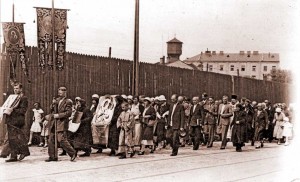
Convention of the Clergy and Laymen

Convention of the Clergy and Laymen

chronology

any

10-12 c.

13-16 c.

17 c.

18 cent.

19 cent.

20 cent.

1901-14

1914-18

1918-40

1940-41

1941-45

1945-90

1991 - ...

Historical facts > Russians relocation
18 cent.
18th Century: Latvia Became a Part of Russian Empire

18th Century: Latvia Became a Part of Russian Empire

The end of the 17th Century was marked by a strengthening of the struggle for domination of the Baltic region. Denmark, Saxony and Russia formed a coalition against Sweden. At first the war was working in the Swedes’ favour. Denmark and the Rzeczpospo-lita left the war. However, the energetic Russian Tsar Peter I had quickly managed to modernise his army. A crucial event in the progress of the Northern War was the Battle of Poltava (1709), which ended in the utter defeat of the Swedish army. Russian troops besieged Riga as soon as November 1709. >>
Historical facts > a Part of Russian Empire
19 cent.
Russian National Awakening

Russian National Awakening

The abolition of serfdom (1861), the introduction of reforms in Russia and the celebration of the millennium of the Russian State launched the awakening of national consciousness among the Russians in the Baltic provinces, most of all in Riga.  >>

Religion > Oldbelief
19 cent.
The Ostsee Times and Old-Believers

The Ostsee Times and Old-Believers

At the end of the 18th and in the first half of the 19th Centuries the lands of present-day Latvia and Estonia were known as the Ostsee area. The origin of this term is German. The ruling powers there were German nobles and merchants. Despite the Ostsee being part of the Russian Empire, Russian legislation was not in force in these Baltic provinces. The official language in the region was German. It was possible to achieve a full education in German only. The Russian Orthodox minority chiefly made up of small tradesmen and workers were not engaged in any independent social activities. It was not uncommon for a few wealthy Orthodox merchants to adopt German culture and send their children to German schools. >>

Historical facts > a Part of Russian Empire
19 cent.
The Napoleonic War of 1812

The Napoleonic War of 1812

In 1812 the war between Russia and Napoleon and his allies broke out. >>

Historical facts > a Part of Russian Empire
1901-14
Riga at the Turn of the 20th Century

Riga at the Turn of the 20th Century

At the beginning of the 20th Century Riga finally obtained the appearance of a European industrial city.  >>

Historical facts > a Part of Russian Empire
1901-14
Industrial epoch

Industrial epoch

At the end of the 19th and the beginning of the 20th Centuries Riga became one of the major industrial centres of Russia.  >>

Historical facts > a Part of Russian Empire
1914-18
The First World War

The First World War

The First World War was a serious ordeal for many countries in Europe. Latvia found itself in the thick of warfare from the very first days.  >>

  • HOME
  • ABOUT US
  • PUBLICATIONS
  • GALLERY
  • EXHIBITION

© 2010 – Институт Русского наследия Латвии – Latvijas Krievu kultūras mantojuma institūts

When you use materials from the site "Russians of Latvia", or when you reproduce them on the Internet it is necessary to place interactive link: http://www.russkije.lv