
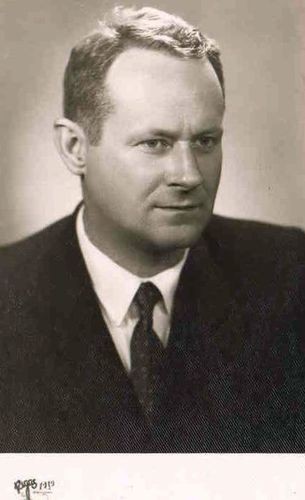
Boris Krivoshapkin
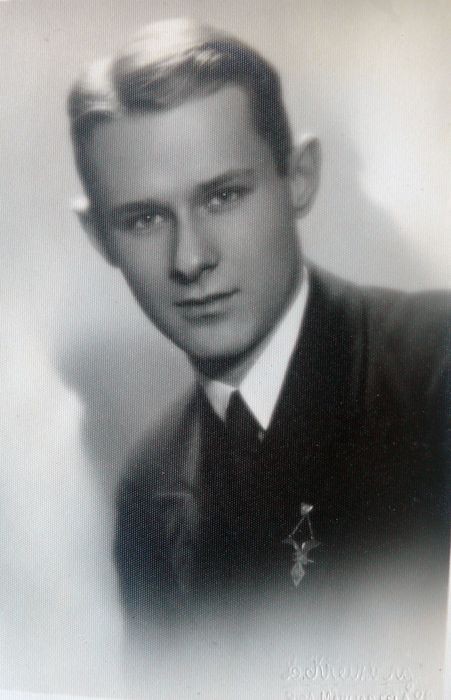
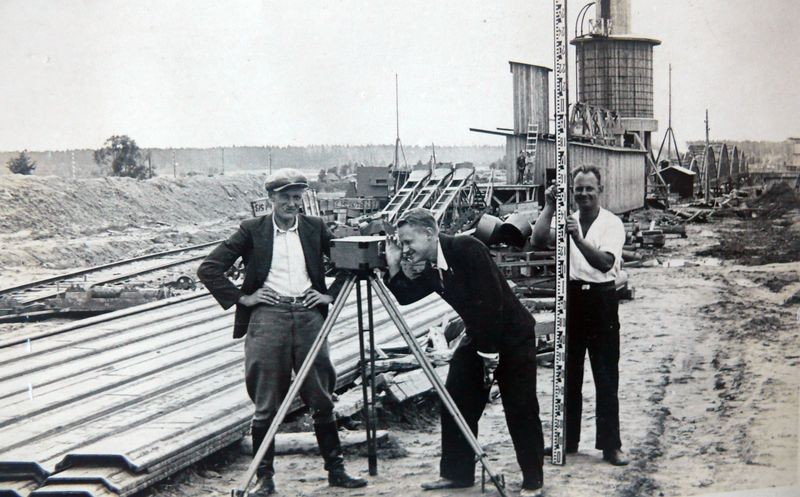
Boris Krivoshapkin (2nd of February 1916, Petrograd, Russian Empire – 21st of October, 1990, Riga, Republic of Latvia) – a civil engineer and a lecturer at the Riga Construction Technical School from 1957 to 1985.
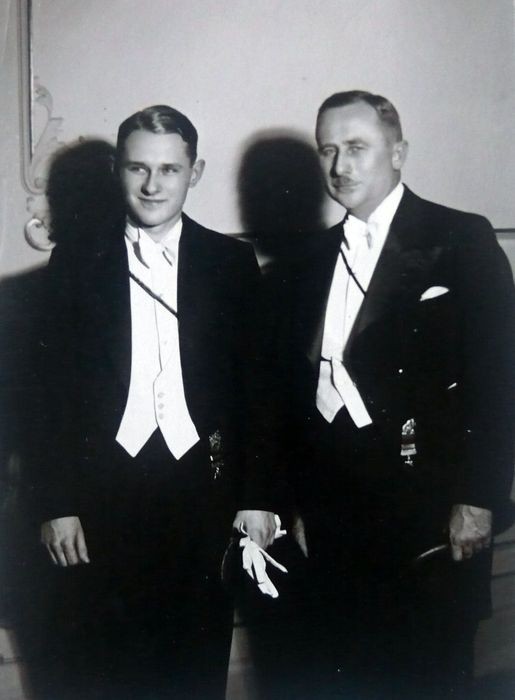
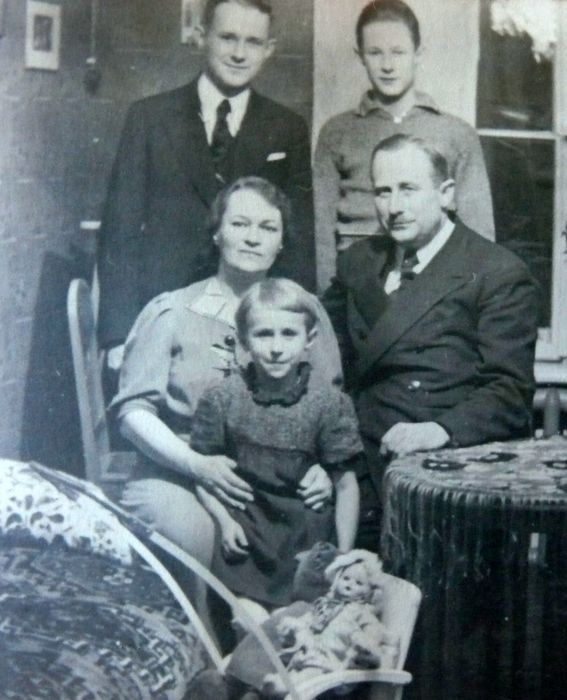
Boris’s father, Mikhail Krivoshapkin (1888–1943), was a civil engineer who later became a prominent public and political figure in the Republic of Latvia.
His mother, Nina Shervinsky (1892–1942), was the daughter of the architect Max Shervinsky (1859–1909), one of the pioneers of Riga Art Nouveau.
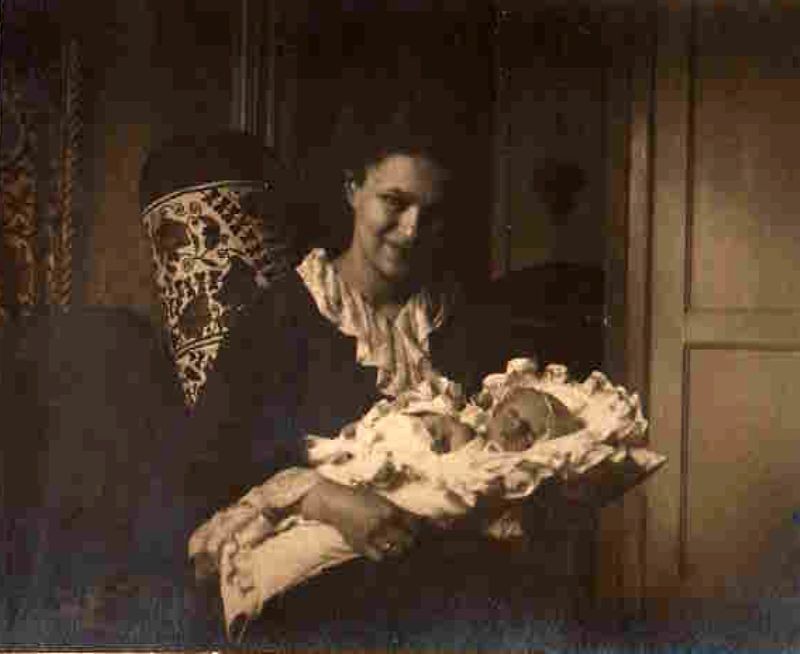
In 1914, on the eve of the First World War, Boris’s parents—having just married—left Riga and moved to St. Petersburg (renamed Petrograd after the outbreak of the war), where Mikhail had been offered a promising position. Thus, Boris, the firstborn in the Krivoshapkin family, was born in that city.
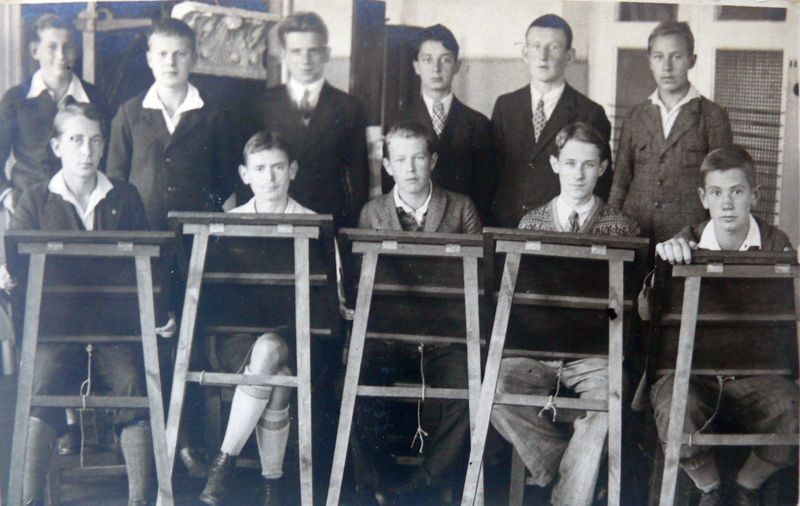
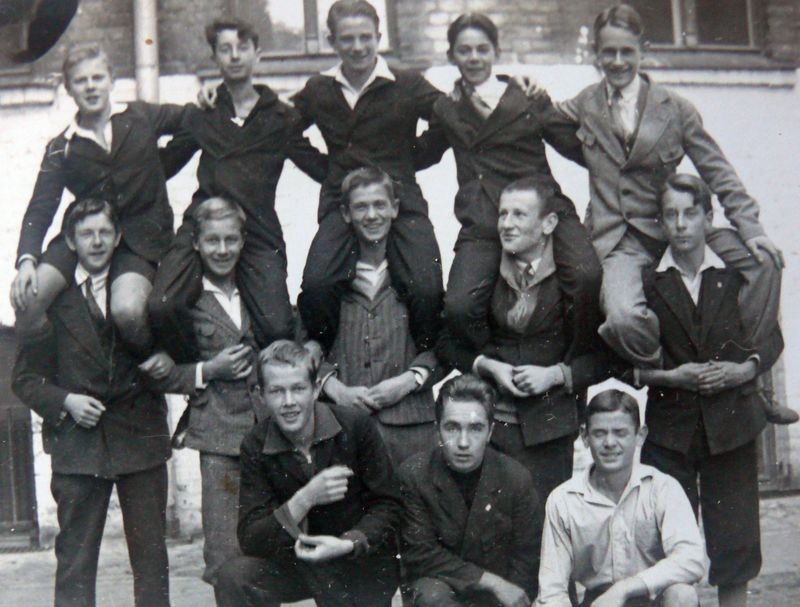
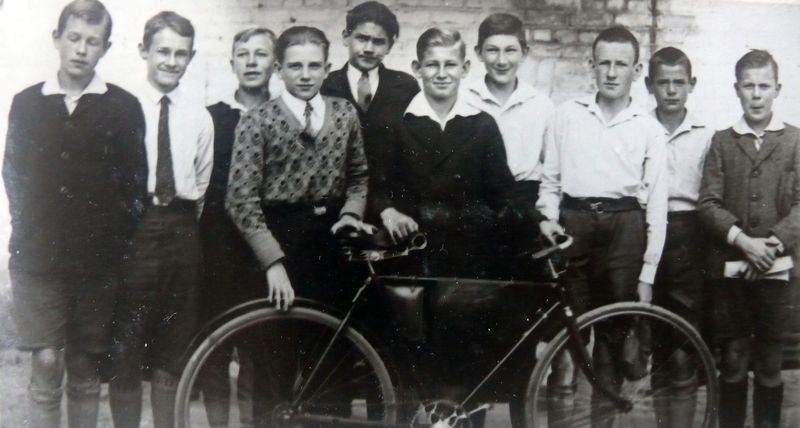
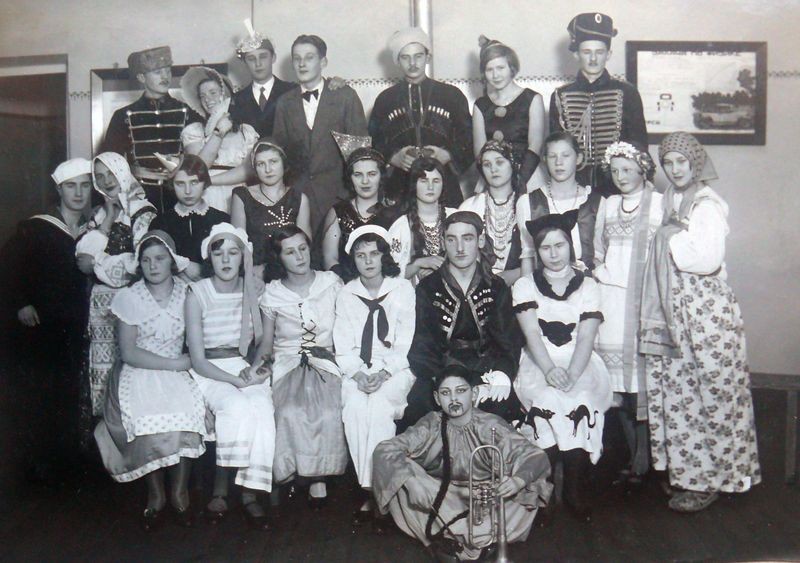
Only in 1920 was the Krivoshapkin family was able to return to Riga, the city that became Boris’s home. His first school was the Russian Boys’ Gymnasium of the First Teachers’ Society, which soon closed, forcing him to transfer to the private school of Olga Beater. From 1930 to 1934, Boris Krivoshapkin studied in the Realschule department of the Riga City Russian Gymnasium, where he distinguished himself not only as a capable student but also as an active participant in various social and cultural initiatives. In particular, he played several musical instruments in the school orchestra, including the balalaika.
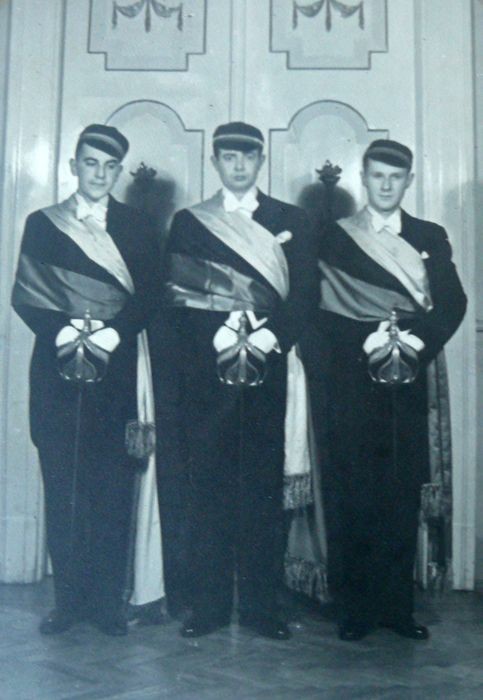
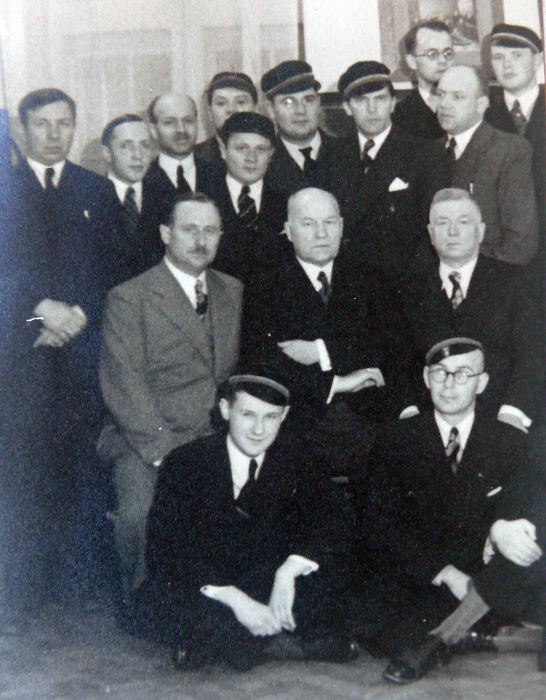
After graduating from the gymnasium, Krivoshapkin enrolled in the Faculty of Engineering at the University of Latvia, intending to become a civil engineer. In the same year, he joined the student corporation Fraternitas Arctica, of which his father and his maternal uncle, the architect Vladimir Shervinsky (1894–1975), were also members.
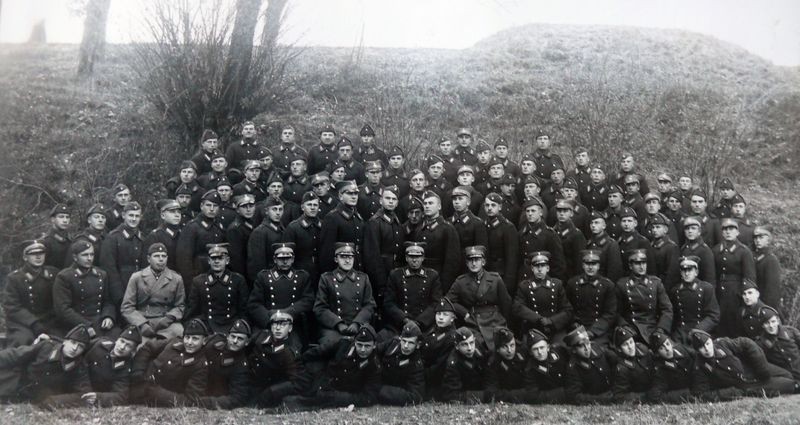
In 1938–1939, Boris Krivoshapkin completed his compulsory military service in the Latvian Army, serving as a telephone operator in the coastal artillery regiment. He finished his service with the rank of corporal.
In 1940, he resumed his studies at the university.
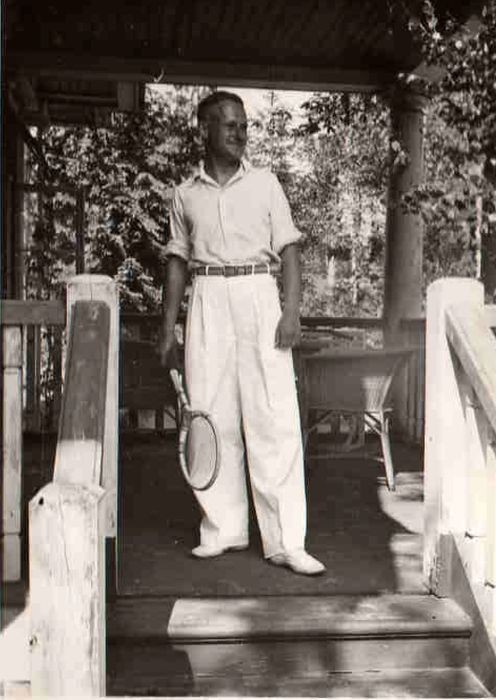
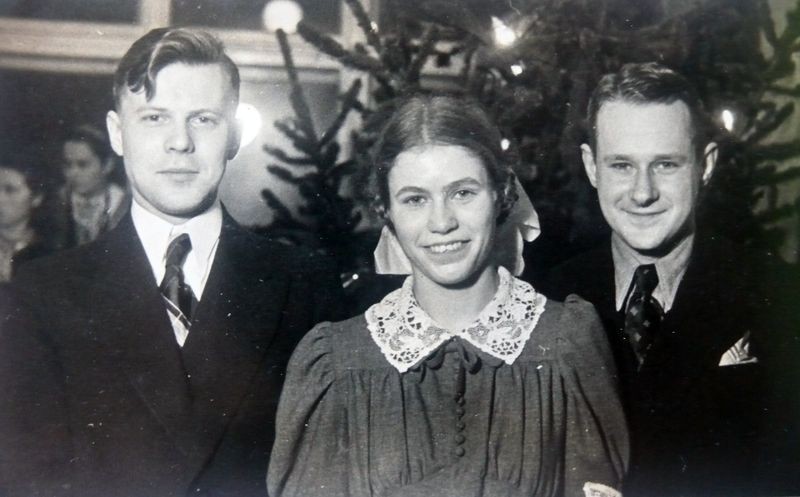
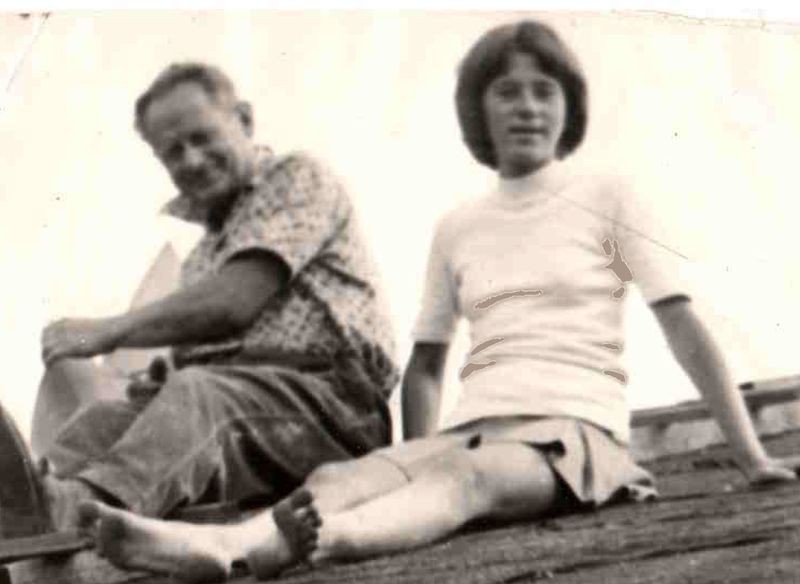
In his free time, Boris Krivoshapkin played tennis and helped his parents build a summer house in Jaunogre. The Krivoshapkin–Shervinsky family spent their leisure time cheerfully, gathering with relatives and numerous friends either at the summer house or at their Riga apartment.
During the Soviet occupation of Latvia, on June 14, 1941, the entire Krivoshapkin family was deported to Siberia. Boris, together with his mother, younger sister Natalia, and middle brother Vladimir, was sent to Tomsk Region, where his mother and brother Vladimir died of exhaustion in 1942. The head of the family, Mikhail, was sent to the Usollag camp in the Perm (Molotov) Region of the RSFSR and died during transfer in 1943.
In 1946, Boris Krivoshapkin managed to secure the right to continue the studies he had begun in Riga. He was admitted to the third year of the Novosibirsk Institute of Civil Engineering.
In the same year, his sister Natalia, as part of a campaign to return underage children to Latvia, was able to go back to her homeland, where she found refuge with the Shervinsky family.
In the autumn of 1947, Boris received permission to travel to Moscow for a construction exhibition dedicated to the 800th anniversary of the city. From there, using a false passport and taking great risks, he illegally returned to Riga.
In Riga, Boris Krivoshapkin initially lived with the Shervinsky family, as his parents’ apartment and summer house had been occupied. In 1947, he managed to be reinstated at the Latvian State University, and in 1949 he finally received his long-awaited diploma as a civil engineer.
From 1950 to 1957, B. Krivoshapkin worked as a lecturer at the Riga Agricultural Technical School.
From 1957 to 1985, he was a lecturer at the Riga Construction Technical School.
Boris Krivoshapkin died on October 21, 1990, at the age of 74. He was buried at the Ogre Cemetery.
Family:
Father – Mikhail Krivoshapkin (1892–1943).
Mother – Nina Krivoshapkina (née Shervinsky) (1892–1942).
Brother – Vladimir (1923–1942).
Sisters – Ksenia (1917–1918) and Natalia (1931–2021).
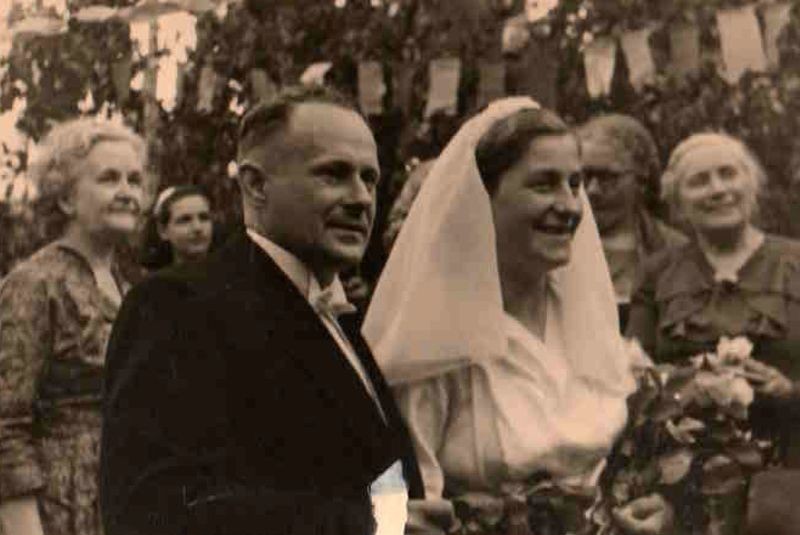
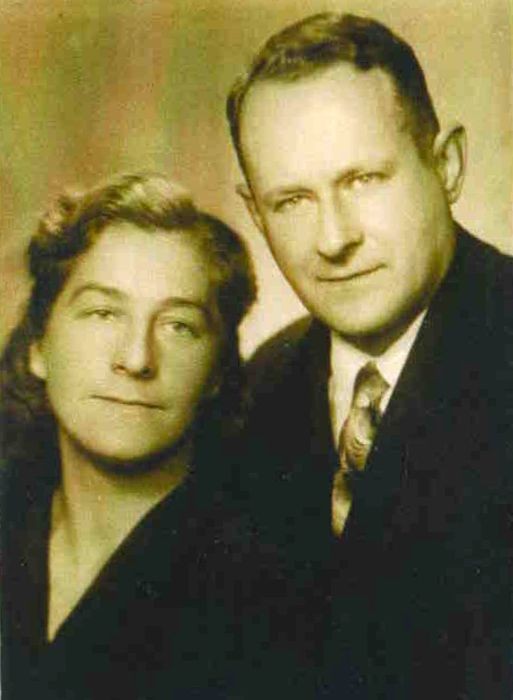
Wife – Maiga Krivoshapkina (née Sausiņa) (1926–2019), a nurse at the Ogre Children’s Tuberculosis Sanatorium.
Daughter – Liena Ivonna Shervinsky (Krivoshapkina) (born 1960), an architect and artist.
Stepson – Maris Sausiņš (1955–2016).
Related illustrations