


Orthodoxy in the territory of Latvia from 1700 to 1850
From the 18th century with the annexation of Latvia to the Russian Empire, the official Orthodox Church spread throughout the Latvian lands. In 1838 the Vicariate of Riga in the Diocese of Pskov was established. In 1847 the Orthodox School of Theology was established in Riga, and in 1851 the Ecclesiastical Seminary started its work. >>
The Ostsee Times and Old-Believers
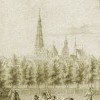
At the end of the 18th and in the first half of the 19th Centuries the lands of present-day Latvia and Estonia were known as the Ostsee area. The origin of this term is German. The ruling powers there were German nobles and merchants. Despite the Ostsee being part of the Russian Empire, Russian legislation was not in force in these Baltic provinces. The official language in the region was German. It was possible to achieve a full education in German only. The Russian Orthodox minority chiefly made up of small tradesmen and workers were not engaged in any independent social activities. It was not uncommon for a few wealthy Orthodox merchants to adopt German culture and send their children to German schools. >>


Old Believers in Independent Latvia
With the foundation of an independent Latvian state in 1918 a new stage in the life of the Old Believers began. In November 1920 the first convention of Old Believers in Latvia was called, at which the Central Committee for the Affairs of Old Believers in Latvia was set up, and the basic principals of the organisation were determined, as well as the activities of the Old Belief communities. >>
The Latvian Orthodox Churrch in the interwar years
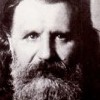
After the formation of the independent Baltic States the eparchy of Riga was divided into two parts – Estonian and Latvian. On 27 February 1920 the All-Latvian Assembly of the Orthodox Church elected John Pommer as the Archbishop of Riga and all Latvia.
>>


Orthodoxy Church in Soviet Latvia
After Latvia became part of the USSR the Latvian Orthodox Church was returned to the jurisdiction of the Patriarchy of Moscow. Church life entered an uneasy period of fighting for survival in an atheist state. Churches were closed and destroyed. Many clergymen suffered repressions. Part of the congregation abandoned the church, fearing persecution. But even in these difficult circumstances the Orthodox Church continued to bring the light of faith to the people. >>